News
Chief Happiness Officer, the New Role in Companies: How Much Do They Earn, and How Is Their Work Measured?
The Chief Happiness Officer focuses on employee happiness and well-being as a key strategy for business success.
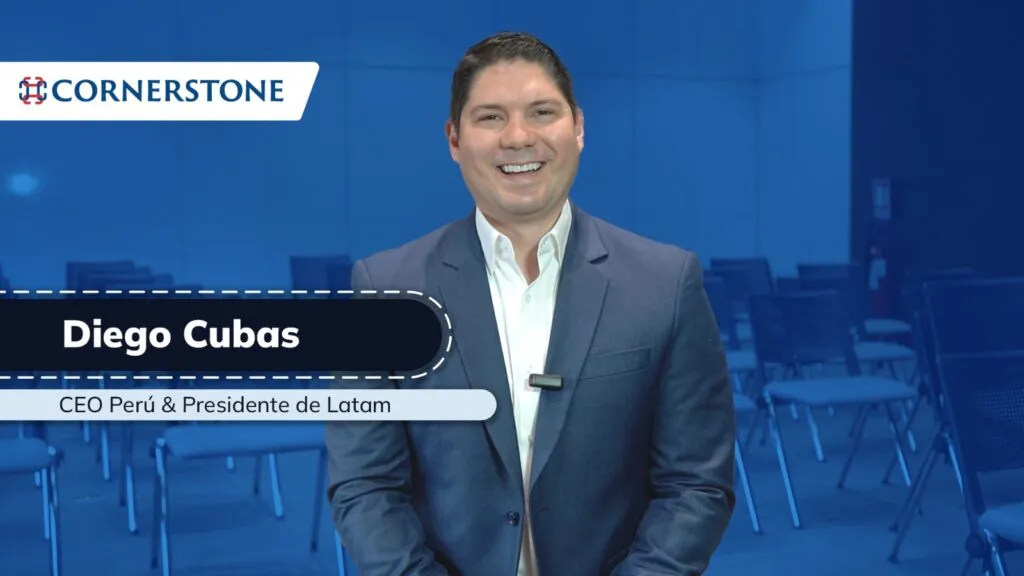
(G de Gestión) Is there someone in the office whose specific challenge is to boost employee satisfaction and foster a positive culture? Not in every company, but the role exists. It’s the Chief Happiness Officer (CHO). “Their mission is clear: to make employees feel happy and valued. This has an impact on employee motivation, retention, and contribution to the organization,” explains Diego Cubas, CEO of Peru and President of Latin America at Cornerstone. It makes sense, since people spend more time at work than on any other aspect of their lives. What does this position entail, and how much does it pay?
In Peru, there are already companies with roles serving a similar purpose, though under different titles. In some cases, it’s the Culture Manager, the Philosophy Manager, or the Chief Human Resources Officer (CHRO). Currently, technology, financial services, and consulting firms with a strong organizational culture already have these roles.
The CHO position itself exists primarily in organizations with high investment in human capital that recognize the importance of having motivated, challenged, and happy employees. These are typically technology companies, startups with sustained growth, and multinationals with a people-centric culture. Some of these include Google, LinkedIn, Zappos, SAP, and DHL.
Cubas, from Cornerstone, answers the main questions about the role of the CHO in companies.
What training is required to become a Chief Happiness Officer?
Although we have seen many organizational psychologists and human resources specialists in the role of CHO, what is truly needed are professionals with a genuine interest in unlocking people’s potential and making them happy in the workplace. Additionally, it is essential that the CHO have comprehensive experience within the organization to understand employees’ diverse situations from a holistic business perspective, thereby ensuring a more complete and effective approach to promoting well-being and happiness in the workplace.
To whom do they report hierarchically within the organization?
In some cases, they report to the CEO. In others, to the CHRO or the Chief Administrative Officer (CAO), who oversees other positions in the Finance or Human Resources departments. This
What are some of the CHO’s responsibilities or goals?
Their responsibilities include designing wellness programs, leading team-building activities, and promoting a positive organizational culture. However, bottom-line results are the most relevant metric. The CHO must demonstrate the impact of their management on the organization’s P&L (profit and loss statement).
How is their work measured?
The results of their management are measured through employee satisfaction surveys, organizational work climate indicators, turnover rates, talent retention rates, and productivity metrics.
How does the role of the CHO differ from that of the Human Resources Manager or other similar positions?
In some cases, the CHRO is the CHO’s direct supervisor. The CHRO oversees the Human Resources department holistically, which includes recruitment, development, performance management, compensation and benefits, succession planning, and compliance with labor regulations. The Chief Happiness Officer focuses specifically on employee happiness and well-being as a key strategy for business success. Their goal is to create a positive and motivating work environment.
How much does a Chief Happiness Officer earn?
Salary depends on many factors, such as the size of the company, whether the position is corporate, regional, or local, and whether the CHRO reports to the CEO or another executive. In the United States, the average annual salary for this role ranges from $180,000 to $360,000. In the region, it ranges from $120,000 to $200,000.
Is it really necessary for a company to invest in a position like this? Why?
At Cornerstone, we have noticed an increase in the search for CHO executives in the region, the United States, and Europe. In Peru, this specific role is not in demand. Typically, this position is filled by the CHRO, and in other cases by the Climate and Culture Manager, who performs a similar function but also leads other processes. This role is necessary because a positive work environment directly impacts productivity, talent retention, and the company’s reputation. Improving employee satisfaction leads to better financial results and a more collaborative and creative environment.
How can you tell if a position like this is more than just a trend or a facade?
Assessing the impact of a CHO in key areas such as organizational climate, employee retention, professional development, and a sense of belonging is essential. There are qualitative and quantitative factors that allow for measuring the impact of this role. The CHO will develop and implement effective strategies; their contribution will be reflected in the results achieved.