News
Blind Resumes: What Are They, and How Have They Increased Women’s Presence in Leadership?
(G de Gestión) The midpoint of the year is often seen as the ideal time for companies to continue seeking efficiencies. Sectors such as agriculture and logistics, which have not necessarily had a strong start to 2024, are reevaluating certain roles and have therefore activated their hiring processes for leadership positions, primarily in Human Resources and Technology, according to comments made by Manpower Peru to G de Gestión. Is the path open for women to fill these positions?
It is no surprise that women’s participation in leadership roles among the country’s leading companies is growing; though sources say the process has been slow in senior management positions and in male-dominated sectors. Marlene Molero, co-founder and CEO of ELSA by GenderLab, notes that in 2023, less than 10% of general management positions were held by women, and in middle management, the share reached 15%.
However, some sectors show better indicators: most security firms are
led by women. There are also exceptions in other sectors: Pesquera Austral,
Ferreycorp, Zafranal Mining, Danper, and Virú are examples. In mining, meanwhile, women’s
leadership could reach less than 5%, and in banking 20%, but in middle
management. “It is also true that women’s first foray into senior roles is associated with peripheral areas, such as Human Resources and Sustainability, as opposed to areas like logistics or more core management positions where men are typically more prevalent,” notes Molero. These biases, however, are “almost” disappearing from employers’ radar, says Daniel Galdos, commercial manager at Manpower Group, as “they are specifically requesting that we send more female candidates to the final stage of the hiring process.”
“We had an experience with a microfinance company that was very interested in minimizing staff turnover
because that entails high labor costs. They analyzed the data and concluded that in departments led by women, turnover was lower and productivity higher. They haven’t told us that the position is exclusively for a woman, but they want to have several female candidates as alternatives,” he says.
What is the decisive phase?
If there is interest in hiring more women for leadership and senior management positions, why is their representation in those roles still far from achieving parity?
Galdos points out that infrastructure issues and inflexible labor regulations still exist that could “slightly” hinder women’s entry into these roles, as in mining and agriculture. In general, sources note, at the start of the selection process, female participation averages 35%.
However, “in sectors like mining, the selection process typically begins with 2% female participation,” reveals Sandra Cubas, Regional Managing Partner at Cornerstone. This low level, which is also seen in other demanding sectors, is attributed to the fact that companies globally have not developed benefits tailored to female executives—such as greater flexibility for their personal and family growth (a mining company offers a 14×7 work schedule, for example)—or because they have not adequately promoted the benefits they offer.
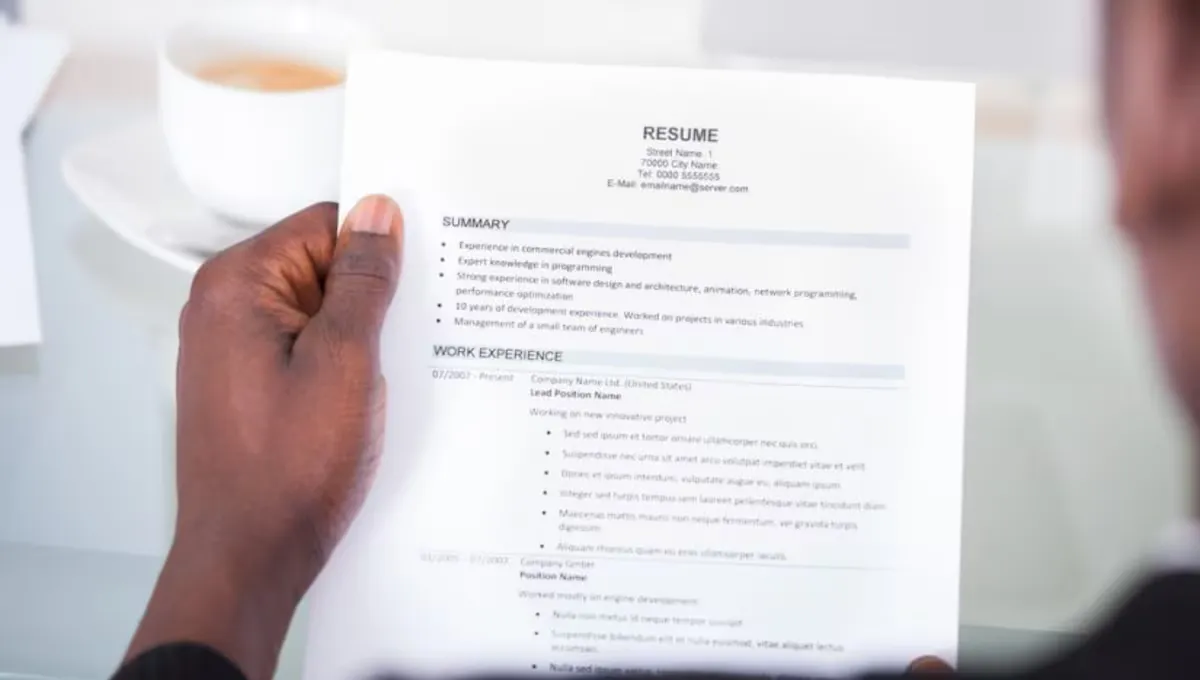
Cornerstone and Manpower agree that the use of methodologies such as blind CV screening—already employed by most companies—has, in many cases, led to gender parity among candidates in the second phase of the selection process. This methodology involves the recruiter sending the CVs of candidates who passed an initial screening to the hiring company, but without a photo, name, or gender. The focus is on skills and values.
The next phase is the interview, and this is where the decisive moment comes. “That’s where biases among those involved can surface. It could be the general manager or the HR manager,” Cubas acknowledges. “Even if they really like the candidate’s profile and qualities, sometimes stereotypes win out. For example, if she is of a certain age and hasn’t married or has young children. Or they think that a team that is mostly men should be led by a man. At the end of the process, two men and two women with the same skills may be left, but it will depend on the organization’s ability to decide whom to choose,” she explains.
Molero, CEO of ELSA, adds two points regarding the lower representation of women in the final stage of the selection process. First, women tend to stay longer in their positions—more than the average three years that men remain—especially if they are offered a career path. And second, many are not being “noticed” because they have not managed to cultivate a culture of networking. “There are still companies that have not managed to view the maternity phase as part of a woman’s personal growth and professional development, and not merely as a time when she has been unable to perform her duties within the company. That still has an impact,” she concludes.